About me
Art kept me sane
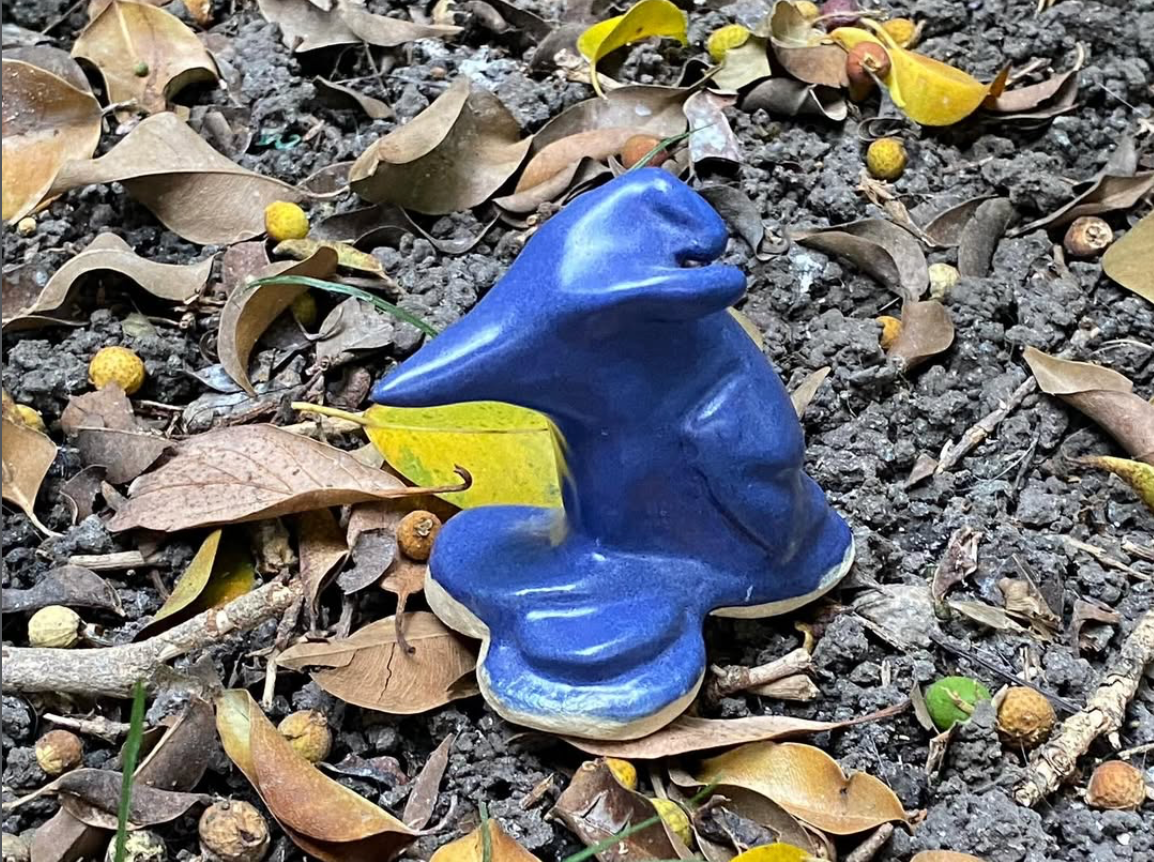
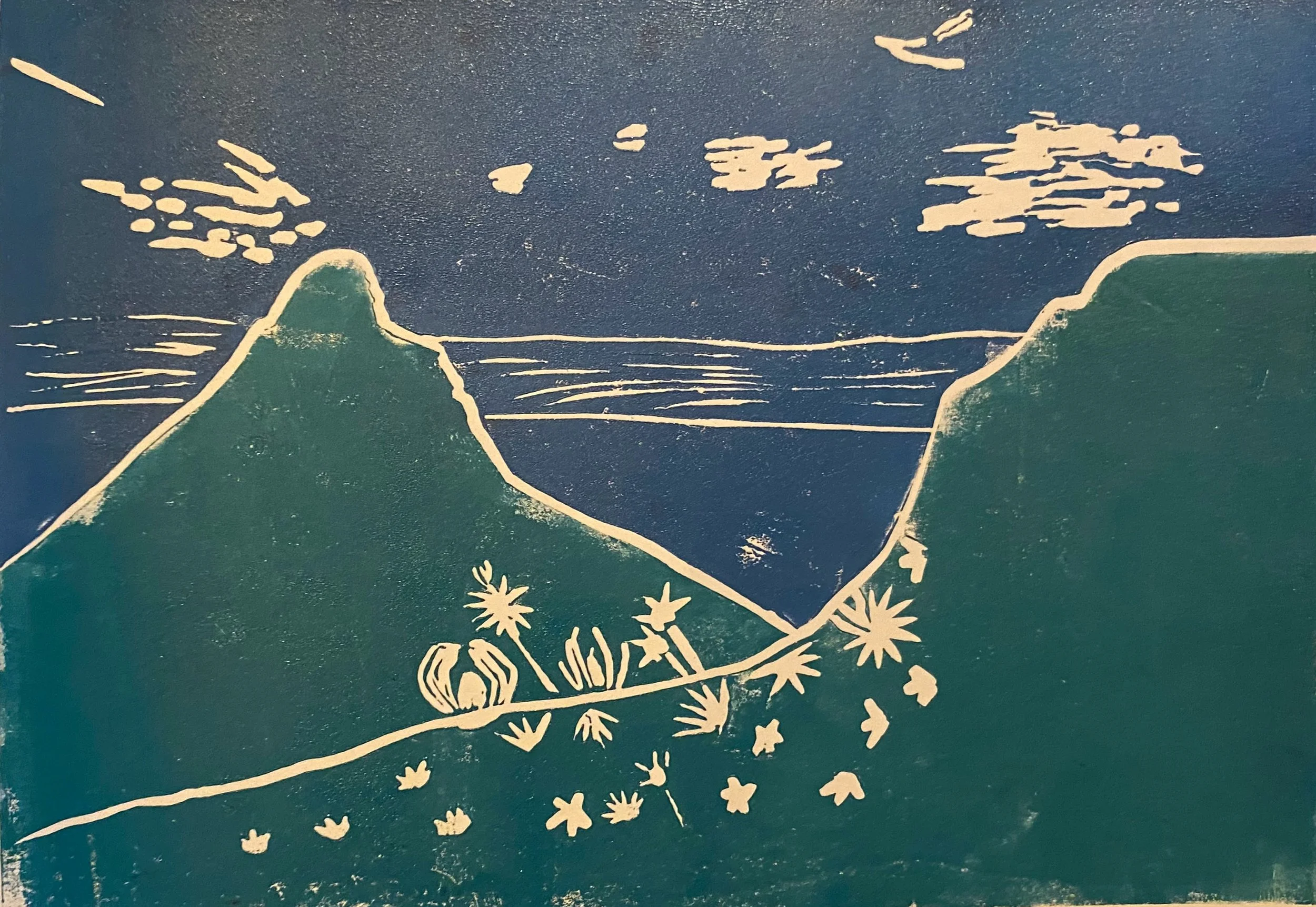
Growing up as a young woman in Egypt, art kept me sane — it also helped me travel in my mind. Music, drawing, making things — they were never hobbies. They were how I made sense of the world before I got to see it.
The world as classroom
A Master's in Development Economics from Universidad Carlos III de Madrid gave me the frameworks. The world gave me the reality check. I lived in Cairo, Beirut, London, Madrid and Mexico City. I genuinely believed I was part of the solution.
Questioning the system
I began to question the assumptions embedded in international development — whose knowledge counts, whose voices are centred. That questioning led me toward systems change, social innovation, and evaluation. I found participatory and decolonial approaches, which also helped me make sense of my own experience.
Evaluation · Participatory methods · Decolonial approachesWhen indicators were not enough, stories made the change shine. When traditional research tools were restrictive, arts-based methods were just right.
When words weren't enough
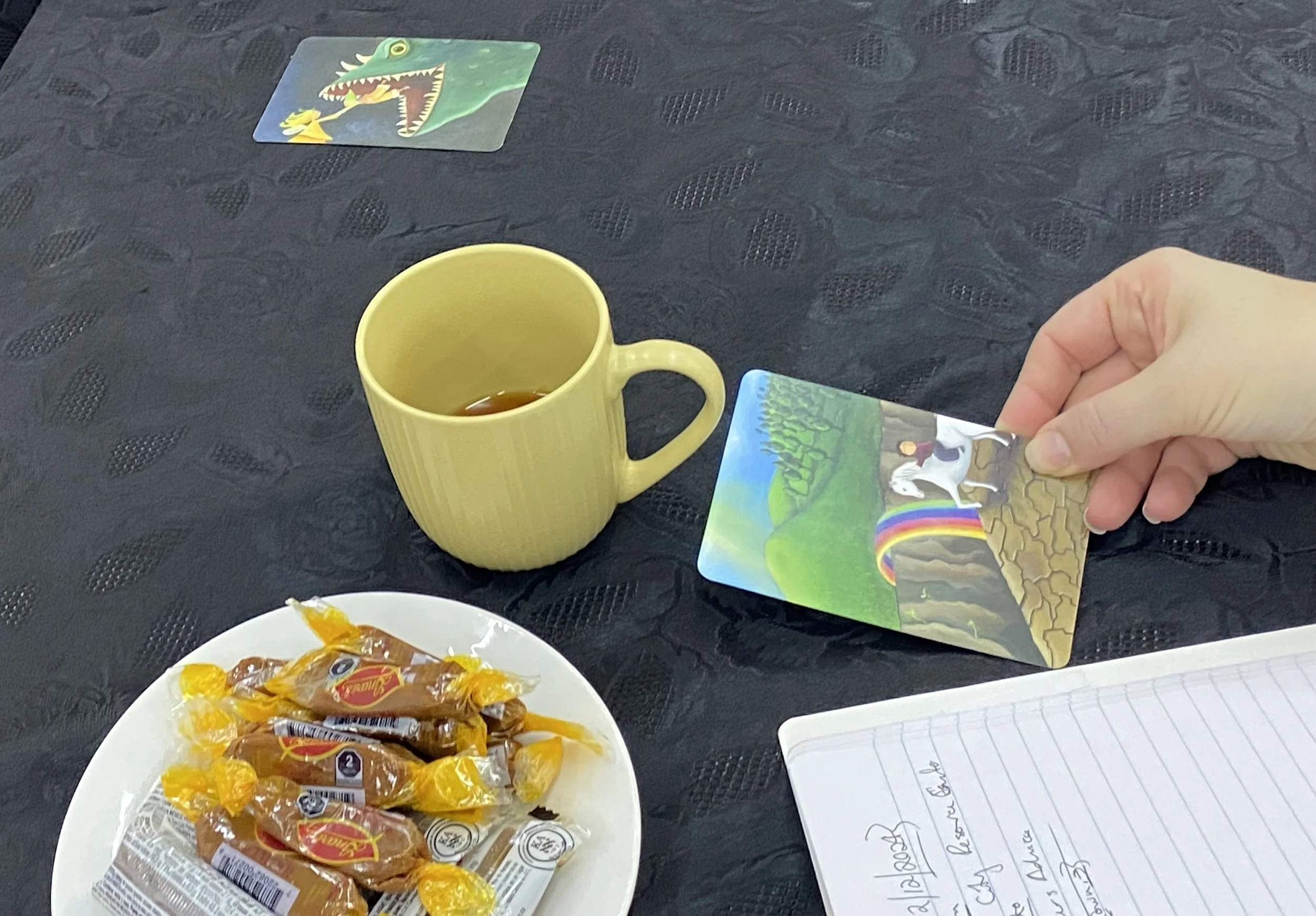
I faced teams with significant power dynamics where people struggled to verbalize the change they wanted to see. Art became an equalizer — allowing everyone to speak up. PhotoVoice, storytelling, creative research tools.
Arts-based evaluation · Facilitation · Oxfam · Fair Trade USASeeing the unseen harm
As my portfolio grew, I saw that our sector wasn't as safe as it claimed to be — not for everyone. Microaggressions dressed as feedback. Exclusion dressed as culture fit. Power dynamics that nobody named but everyone felt. I couldn't unsee it.
Safeguarding · Organisational safety · Power dynamicsTwo identities, one practice
I am now studying Art Therapy and Community Art. My professional and artistic journeys are not separate — they inform one another. The evaluator in me seeks clarity and structure; the artist in me questions, distorts, and reimagines.